Teaching Beyond the Classroom: Project-Based Learning for Lower Secondary
This course adapts project-based learning (PBL) for Senior Phase (Grades/Senior 1–4), offering a practical, evidence-informed approach to designing, delivering and evaluating sustained learner-centred projects.

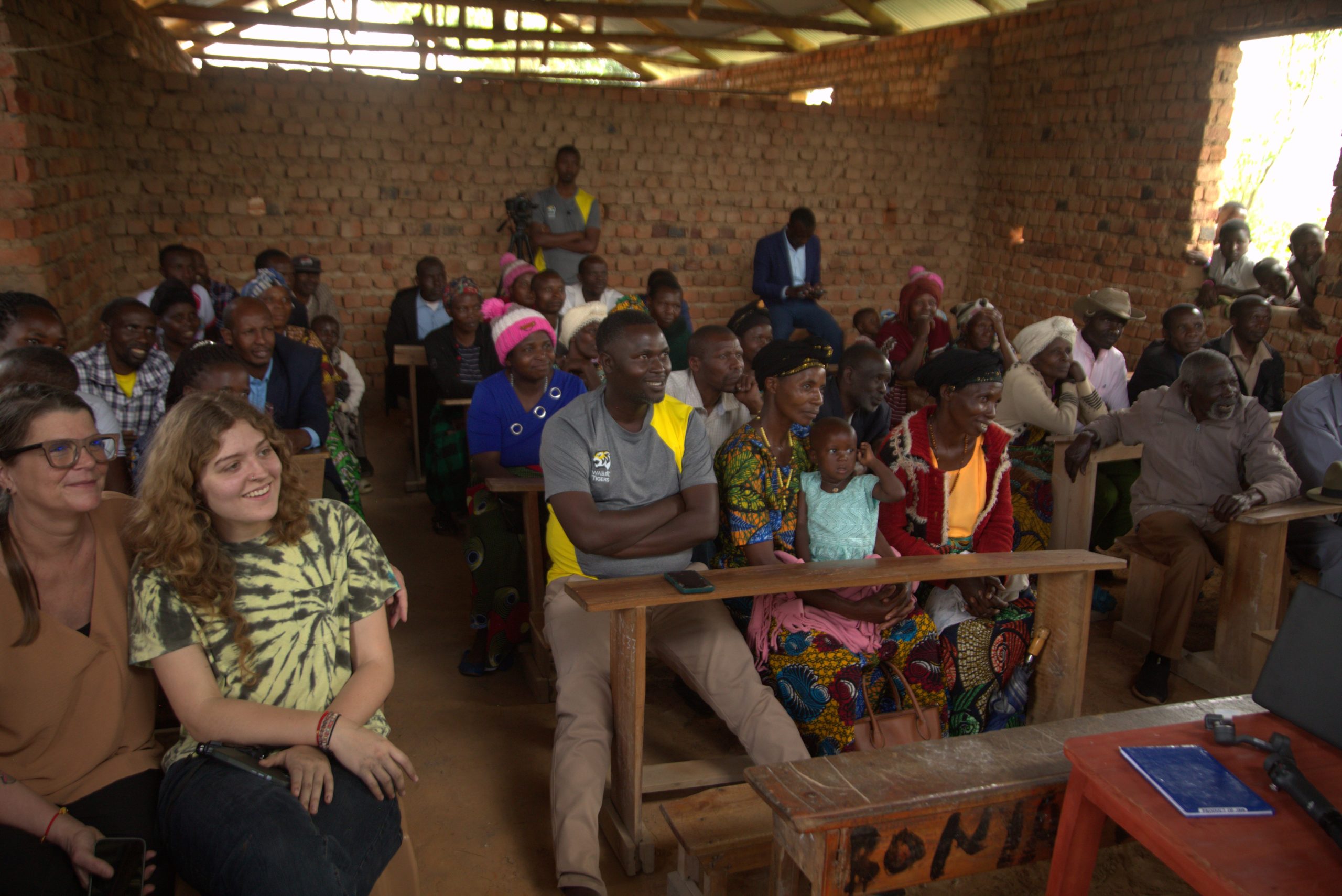
This course equips Senior Phase teachers (Senior 1–4 / lower secondary) with a practical, evidence-informed pathway to design, deliver and evaluate sustained project-based learning (PBL) that is learner-centred, CAPS-aligned and feasible in Ugandan classrooms and communities.
What you will gain
- Practical competence to design sustained PBL units that combine authentic, real-world tasks with rigorous curriculum coverage and clear learning outcomes.
- Skills to plan inquiry sequences, scaffold learning, differentiate for diverse learners and embed literacy, numeracy and ICT.
- Assessment expertise: develop rubrics, collect formative and summative evidence, moderate judgements and document impact.
- Classroom leadership for collaborative learning: group structures, routines, SEL support, behaviour management and time logistics.
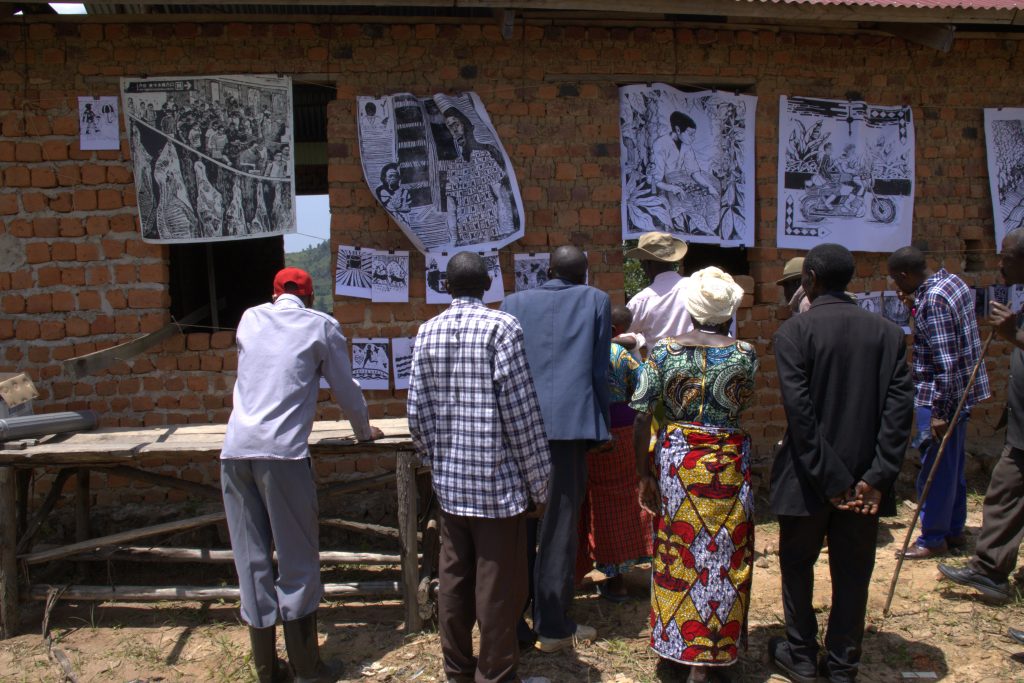
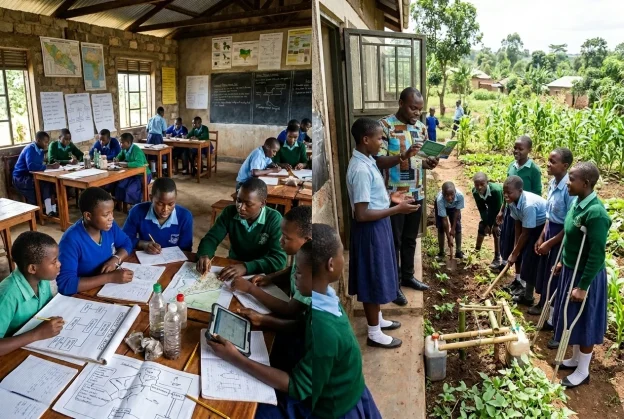
- Capacity to extend learning beyond the classroom through safe, curriculum-linked outdoor and community partnerships.
- A reflective practice approach to evaluate, iterate and scale projects within your school context.
Course approach and expectations
- Evidence-informed practice: theory from learning science is translated into concrete classroom strategies, exemplars and templates you can adapt.
- Practical focus: each module combines short readings, exemplar lesson/unit plans, planning templates (timeline, risk/resource checklist, assessment rubrics) and hands-on tasks that build toward a capstone PBL unit.
- Assessment and certification: completion requires submission of a fully planned, CAPS-aligned PBL unit including driving question, timeline, assessment plan and evidence collection strategy. Peer and facilitator feedback will support iterative improvement.
- Time commitment: approximately 20–30 hours in total (self-paced). Each lesson contains actionable tasks; expect to apply learning in planning and, where possible, trial in your classroom or with colleagues.
- Support and collaboration: use the course forum for peer review and to develop community partnerships; facilitator guidance will be provided for key milestones.
Who this course is for
- Classroom teachers and subject specialists working in the Senior Phase (Senior 1–4) who want to implement sustained PBL that meets CAPS requirements.
- School leaders and professional learning facilitators seeking to support teacher teams in adopting PBL at scale.
- Educators working in resource-constrained settings who need practical approaches for inclusive, community-linked projects.
Practical notes
- You will need access to CAPS documents for your subject(s), basic ICT (for planning and evidence collection), and willingness to engage with colleagues and community stakeholders.
- Safety, equity and inclusion are core considerations: risk planning, reasonable adjustments and culturally responsive tasks are embedded throughout the course.
- The final submission is a working plan intended for classroom use; implementation and reflection cycles are encouraged to refine projects after course completion.
This course is a hands-on pathway from principle to practice: you will leave able to design, manage, assess and evaluate sustained, inclusive PBL units that strengthen learner agency, deepen curriculum understanding and connect school learning to real-life contexts.
Course Content
About Instructor

Course Includes
- 5 Lessons
- 25 Topics