

Topic 2: Turning Skills into Business Opportunities

travellingteacher256 July 28, 2026
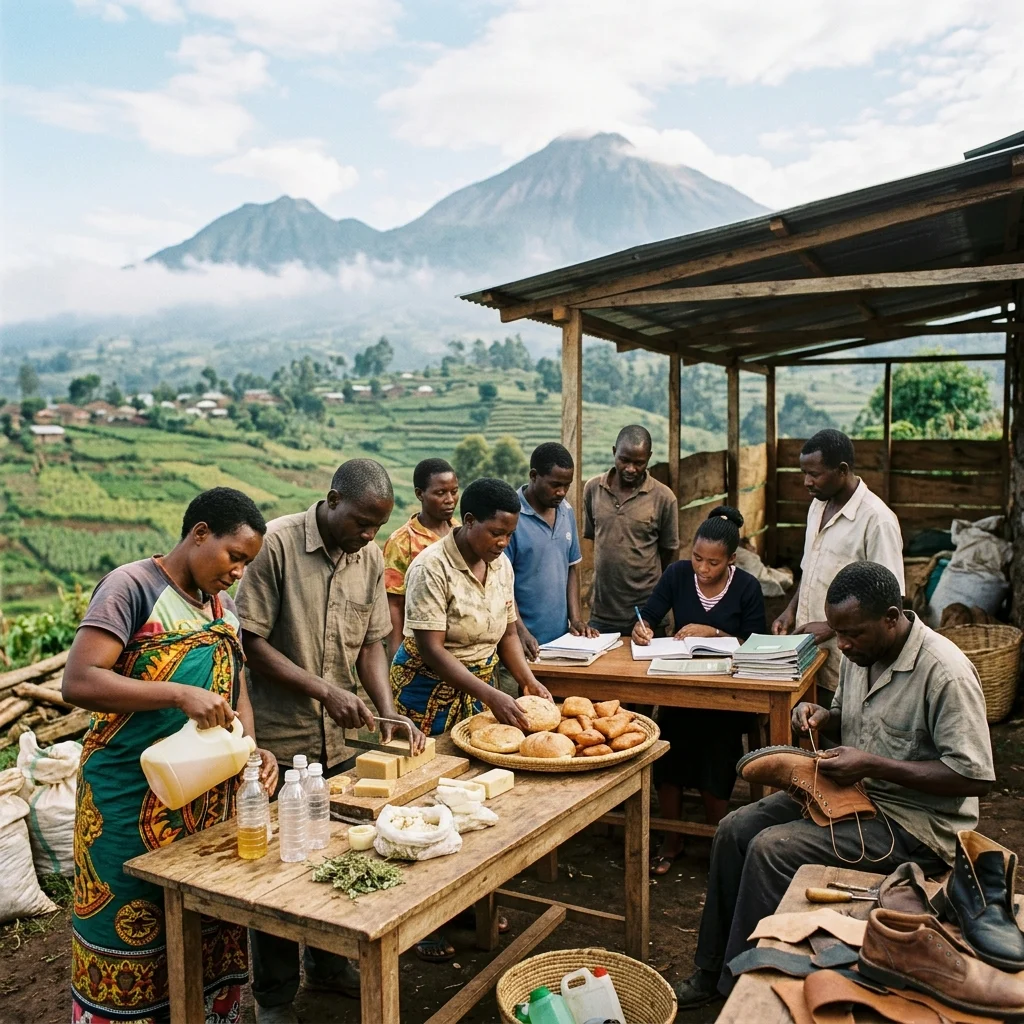
Every useful skill has the potential to become a source of income. The key is to move from “What can I do?” to “Who needs this, and how can I offer it in a way people will pay for?”
A business opportunity exists when a skill solves a problem, saves time, improves life, or adds value for others. In many communities, people already have practical skills. What is often missing is not talent, but the ability to see that talent as something valuable in the marketplace.
1. What is a Business Opportunity?
A business opportunity is a chance to use your skills, time, or knowledge to meet a need in the community and earn money or create value.
For example:
- If you can bake, people need bread, cakes, scones, and snacks.
- If you can clean, homes, offices, schools, and guesthouses need cleaning services.
- If you can sew, people need uniforms, repairs, alterations, and clothing.
- If you can make soap, schools, households, lodges, and shops need hygiene products.
- If you can care for children, parents need safe, trustworthy child-minding.
- If you can use a phone or computer well, businesses may need help with typing, printing, data entry, or social media support.
A skill becomes a business opportunity when it is linked to a real customer need.
2. The Link Between Skills and Market Needs
Not every skill will earn money immediately, but every skill can be assessed for its market value. Ask these three questions:
- What do I know how to do well?
- Who needs this service or product?
- What problem does it solve?
This helps learners move from general ability to practical opportunity.
Example:
A learner may enjoy cooking.
That skill can become:
- preparing meals for events
- selling lunches to workers or students
- baking snacks for shops
- offering catering for small gatherings
The same skill can create different income options depending on the needs around you.
3. Examples of Skills That Can Become Opportunities
Below are simple examples of how everyday skills can turn into business ideas.
a) Cooking and Food Preparation
Possible opportunities:
- sell street food or lunch packs
- bake bread, cakes, or mandazi
- provide catering for events
- prepare school snacks
- make packed meals for workers
Why people buy:
- they are busy
- they need convenient meals
- they want affordable food
- they need food for special occasions
b) Sewing and Tailoring
Possible opportunities:
- repair torn clothes
- make school uniforms
- alter dresses, trousers, and skirts
- produce bags, aprons, or crafts
- customise clothes for groups or events
Why people buy:
- clothing wears out
- uniforms must fit well
- people want neat, customised clothing
- repairs are cheaper than replacing items
c) Cleaning and Home Care
Possible opportunities:
- house cleaning
- laundry services
- ironing services
- cleaning guest rooms in lodges
- cleaning offices or schools
Why people buy:
- they do not have time
- they want a clean and healthy environment
- they need help with regular chores
d) Hairdressing and Grooming
Possible opportunities:
- braiding
- hair washing
- hair styling
- grooming for weddings or events
- selling hair products or accessories
Why people buy:
- people want to look neat
- grooming is important for events, work, and daily life
- regular maintenance is needed
e) Craft and Handwork
Possible opportunities:
- making baskets
- beadwork
- table mats
- keyholders
- tourist souvenirs
Why people buy:
- tourists want local crafts
- people buy gifts
- hotels and lodges use décor items
- crafts showcase culture
f) Technology and Digital Skills
Possible opportunities:
- typing and printing services
- phone charging services
- social media promotion for small businesses
- basic computer lessons
- data entry
- helping people create CVs
Why people buy:
- many people need support with technology
- small businesses want more customers
- learners and job seekers need documents prepared professionally
4. How to Spot an Opportunity
A good opportunity is usually found by observing problems around you.
Look for:
- things people complain about
- services that are missing
- items people buy often
- tasks people do not have time for
- products that are expensive or hard to find
- needs that repeat every week or month
Ask yourself:
- What do people in my area need regularly?
- What do they spend money on already?
- What can I do faster, better, or more affordably?
- What can I offer that is useful and reliable?
If people already pay for something, there may be room for your service or product.
5. Turning One Skill into Several Opportunities
One skill can create many business ideas.
Example: Baking
From one baking skill, a learner can offer:
- bread
- cakes
- biscuits
- snacks
- wedding cakes
- birthday cakes
- tea-time snacks
Example: Sewing
From one sewing skill, a learner can offer:
- repairs
- alterations
- uniforms
- custom-made clothing
- bags
- school accessories
Example: Agriculture
From one farming skill, a learner can offer:
- fresh vegetables
- eggs
- seedlings
- poultry
- dried produce
- home deliveries
This shows that learners do not need to wait for one “big” idea. A small skill can grow into many income streams.
6. From Idea to Opportunity
A skill becomes a real opportunity when it is tested in the real world.
Use this simple process:
Step 1: Identify your skill
Name one thing you can do well.
Example:
- making soap
- cutting hair
- repairing shoes
- cooking meals
Step 2: Identify the need
Find out who needs it.
Example:
- schools
- families
- shops
- lodges
- workers
- tourists
Step 3: Decide what you will offer
Be specific.
Example:
- I will make liquid soap in small bottles.
- I will offer affordable lunch packs.
- I will repair school shoes and school bags.
Step 4: Start small
You do not need a large budget to begin. Start with what is available.
Example:
- use simple packaging
- begin with neighbours and friends
- sell small quantities
- test one product or service first
Step 5: Improve based on feedback
Ask customers:
- What do you like?
- What should I improve?
- What price feels fair?
- Would you buy this again?
Good businesses listen and adjust.
7. Thinking Creatively About Opportunities
Creativity helps you see new uses for existing skills. Instead of copying others exactly, think about how to make your idea relevant to your area.
Ask:
- What can I do in a new way?
- How can I make it more affordable?
- How can I make it more convenient?
- How can I make it better for local customers?
Example:
If many people sell snacks, you may stand out by offering:
- healthier options
- better packaging
- delivery to workplaces
- clean, consistent quality
- special snacks for children or travellers
Creativity does not always mean inventing something new. Often it means solving a common problem in a better way.
8. Business Opportunities Are Built on Value
People pay for value. Value can mean:
- saving time
- solving a problem
- improving appearance
- increasing comfort
- creating convenience
- offering trust and reliability
If your skill helps others in one of these ways, it has value.
Example:
A learner who washes and irons clothes offers value because:
- the customer saves time
- the clothes are ready to wear
- the service reduces stress
A learner who makes soap offers value because:
- people need hygiene products
- the product supports health
- it may be more affordable than buying far away
9. Simple Business Opportunity Examples for Learners
Here are practical examples of turning skills into business opportunities:
| Skill | Possible Opportunity | Who May Buy |
|---|---|---|
| Cooking | Lunch packs, snacks, catering | Students, workers, events |
| Sewing | Repairs, uniforms, custom clothing | Families, schools, shops |
| Hair styling | Braiding, grooming, hair care | Youth, adults, event guests |
| Cleaning | House cleaning, laundry, ironing | Busy families, lodges, offices |
| Craft making | Souvenirs, décor, gifts | Tourists, hotels, gift buyers |
| ICT skills | Typing, printing, CV writing | Job seekers, students, small businesses |
| Soap making | Bar soap, liquid soap | Schools, homes, shops |
| Farming | Vegetables, eggs, seedlings | Households, restaurants, markets |
10. A Strong Opportunity Must Be Practical
A business idea should be:
- needed by people
- possible for you to start
- affordable to begin
- simple to explain
- repeatable so customers can come back
If an idea is too complicated or too expensive to start, it may need to be simplified.
Example:
Instead of saying, “I want to start a food business,” say:
- “I will sell two types of snacks at the local school.”
- “I will prepare lunch packs for workers near the market.”
The clearer the idea, the easier it is to start.
11. Key Message
Your skill is not only something you can do. It may also be something people are willing to pay for.
When you learn to see the connection between:
- your strengths
- community needs
- customer demand
- practical value
you begin to see opportunities where others see only ordinary life.
That is how talent becomes income, service, and growth.
12. Reflection Questions
Use these questions to help learners think deeply:
- What is one skill I have that people may need?
- Who in my community could benefit from that skill?
- What product or service could I offer?
- How could I start small?
- What would make my idea different or better?
- What problem does my skill solve?
13. Activity: Match Skills to Opportunities
Ask learners to write one skill and match it to a possible business opportunity.
Example:
Skill: Baking
Opportunity: Sell buns and cakes to schools and householdsSkill: Sewing
Opportunity: Repair school uniformsSkill: Cleaning
Opportunity: Offer laundry services to busy familiesSkill: Hair styling
Opportunity: Provide braiding services for women and girlsSkill: Craft making
Opportunity: Make tourist souvenirs
Then ask them to choose one idea and complete this sentence:
“My skill can solve the problem of ______________ by offering ______________.”
14. Takeaway
You do not need to wait for a perfect business idea. Start with a skill, notice a need, and shape that into a simple offer.
A useful skill, matched with a real problem, becomes an opportunity.
That is how talent turns into income, service, and progress.